Research Papers (Journals & Conferences)
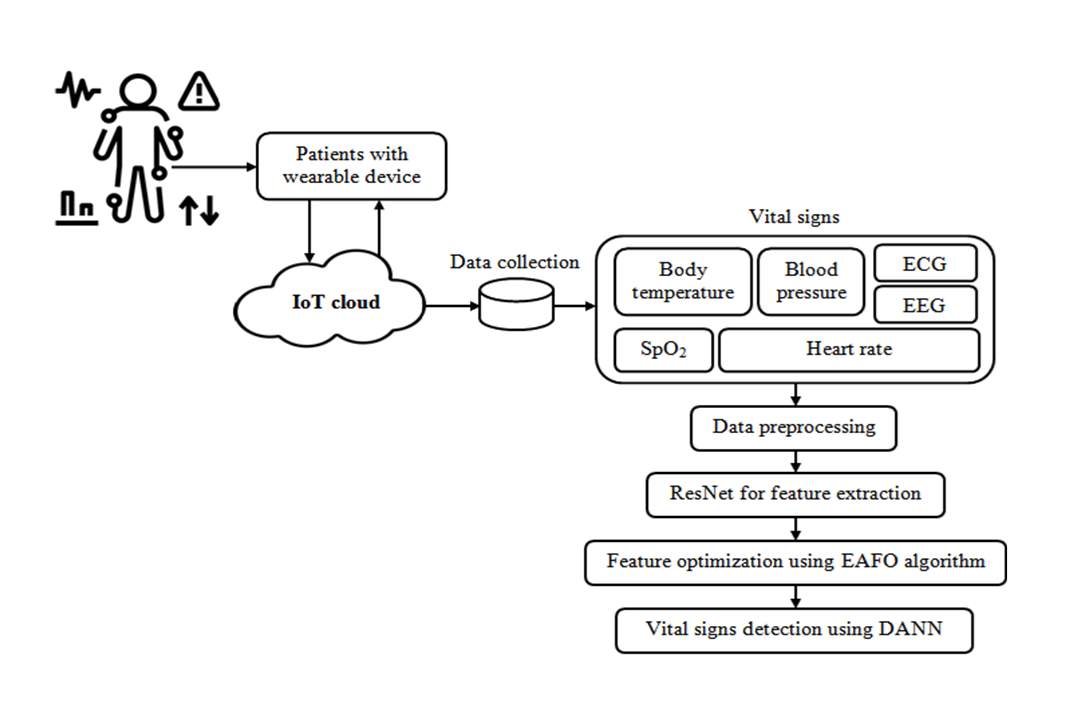
IoT Based Deep Learning Framework for Continuous Healthcare Monitoring of Vital Signs
IEEE : International Conference on Intelligent and Secure Engineering Solutions (CISES 2025)
- DOI: 10.1109/CISES66934.2025.11265584
- Electronic ISBN: 979-8-3315-7349-2
- Print on Demand (PoD) ISBN: 979-8-3315-7350-8
Abstract
This paper presents an innovative IoT-based deep learning framework designed for continuous monitoring of vital signs in healthcare settings. The system leverages advanced neural networks to analyze real-time patient data, enabling early detection of health anomalies and improving patient outcomes through intelligent monitoring systems.
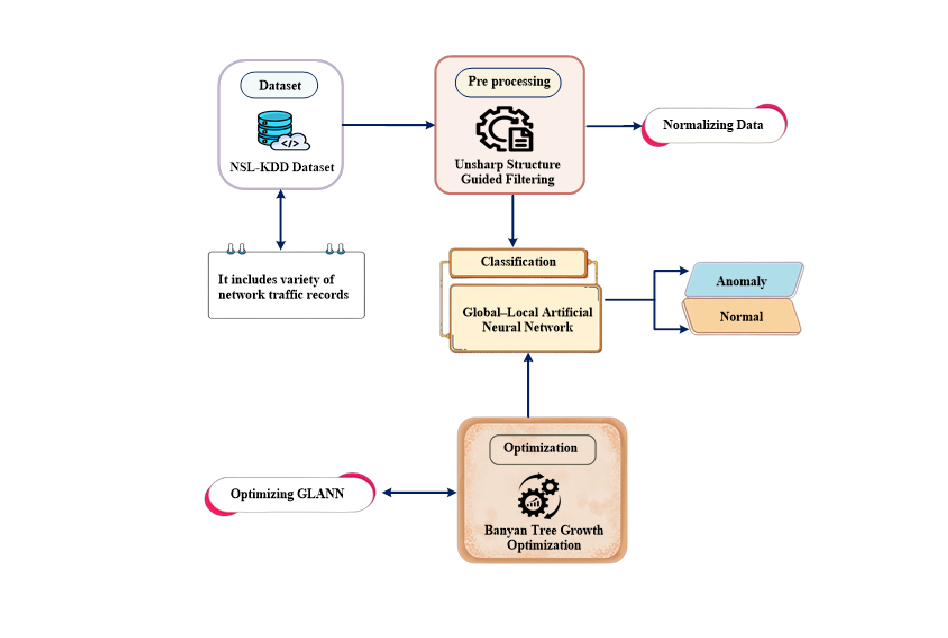
An Intelligent Framework for Real-Time 5G Network Protection Using Multiscale Neural Learning
IEEE : 4th World Conference on Applied Intelligence and Computing (AIC 2025)
- DOI:10.1109/AIC66080.2025.11211993
- Electronic ISBN: 979-8-3315-2613-9
- Print on Demand (PoD) ISBN: 979-8-3315-2614-6
Abstract
This work introduces an intelligent framework for protecting 5G networks in real-time using multiscale neural learning techniques. The proposed system addresses security challenges in next-generation networks by implementing adaptive learning mechanisms that can detect and respond to threats with minimal latency.
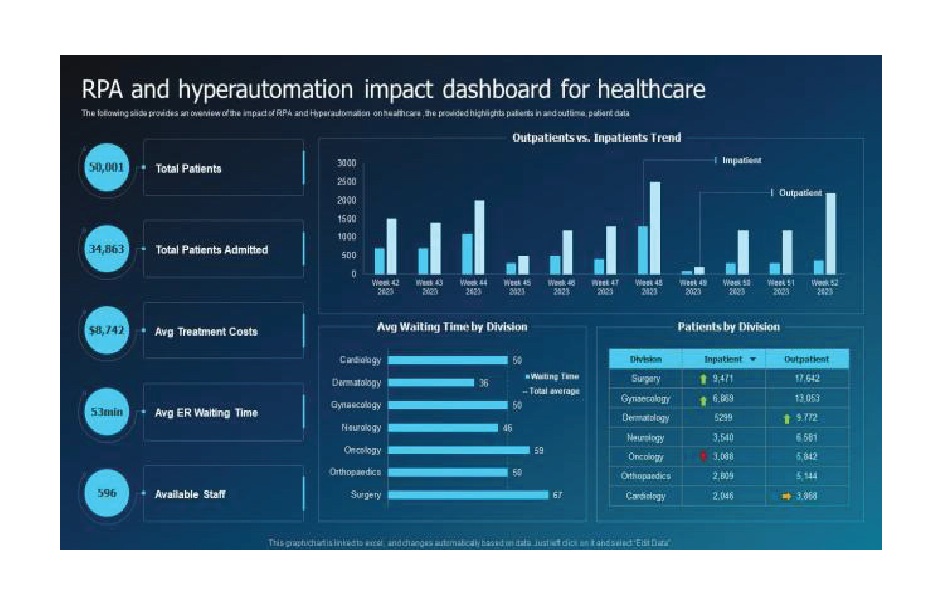
IEEE: AI-Driven Ethical Compliance in Hyper Automation: Building Transparent RPA Systems for Regulatory Adherence
IEEE : International Conference on Computing Technologies (ICOCT 2025)
- DOI: 10.1109/ICOCT64433.2025.11118464
- Electronic ISBN: 979-8-3315-2794-5
- Print on Demand (PoD) ISBN: 979-8-3315-2795-2
Abstract
This research focuses on developing AI-driven solutions for ensuring ethical compliance in hyper-automation environments. The paper presents methodologies for building transparent Robotic Process Automation (RPA) systems that maintain regulatory adherence while automating complex business processes.

Privacy-Preserving Federated Multimodal Deep Learning for Sepsis Prediction Using Vision Transformers and Secure Aggregation
Publication: INTERNET TECHNOLOGY LETTERS
Publisher: John Wiley and Sons
Funding information: This research was supported by EUROHPC-JU, Grant No. 101191697, EuroCC4SEE
Abstract
Multimodal integration of biomedical information, including medical imaging, genomics and electronic health records (EHR), plays a central part in facilitating personalised medicine and enhancing the accuracy of a diagnostic report. Nevertheless, the centralisation of such sensitive data to be used to train AI models is associated with high privacy, security, and regulatory issues that hamper collaborative research among institutions. To handle these issues, the present paper suggests a federated learning (FL) framework with privacy-sensitive procedures to successfully combine multimodal data in a decentralised manner with low security risks. The suggested system will use a hybrid deep learning paradigm, which defines imaging data as an instance of a Vision Transformer (ViT) and tabular EHR and genomic data as an instance of a structured deep neural network, all simultaneously trained on distributed nodes without data sharing. The updates in the local model are handled with the application of differential privacy (DP), and the aggregation is afforded with the assistance of homomorphic encryption (HE), according to which strong privacy guarantees are provided. The framework was tested on a multi-institutional sample of chest X-rays, the related clinical variables, and multi-omics variables to predict sepsis. The findings indicate that the federated model has attained an AUC of 0.945 and an F1-score of 0.887, which is similar in performance to a classical centralised model (AUC 0.951) without compromising data privacy in any way. The communication efficiency maintained by the system was only 22 percentage points slower than the centralised training and was able to counter the typical inference attacks. The results confirm the practicability of developing powerful, collaborative AI models in healthcare without undermining patient confidentiality. The next generation of healthcare systems can potentially be scaled and privacy-conscious because of them.
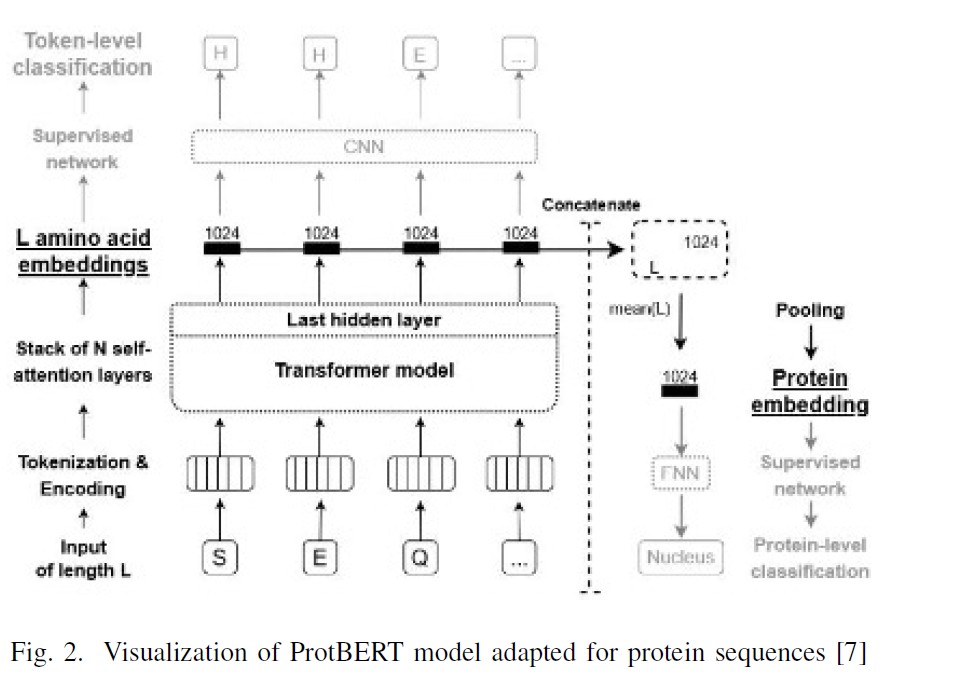
Identifying Drug-Binding Domains in DNA Gyrase Using Advanced NLP Techniques
IEEE: International Conference on Electrical, Computer and Energy Technologies, Paris France (ICECET 2025)
- DOI: 10.1109/ICECET63943.2025.11472567
- Electronic ISBN: 979-8-3315-3559-9
- Print on Demand (PoD) ISBN: 979-8-3315-3560-5
Abstract
Identifying drug-binding domains in essential bacterial enzymes like DNA Gyrase is critical for combating antimicrobial resistance. This paper leverages transformer-based models, particularly ProtBERT, to predict binding regions in protein sequences using natural language processing techniques. By fine-tuning ProtBERT on curated UniProt datasets, we achieve improved domain identification while addressing class imbalance and overfitting. Our approach demonstrates the effectiveness of self-supervised learning in accelerating drug target discovery. Index Terms—Antimicrobial resistance, DNA Gyrase, Fluoroquinolones, Protein-binding site prediction, ProtBERT, ProtVec, Deep learning, Topoisomerase IV.
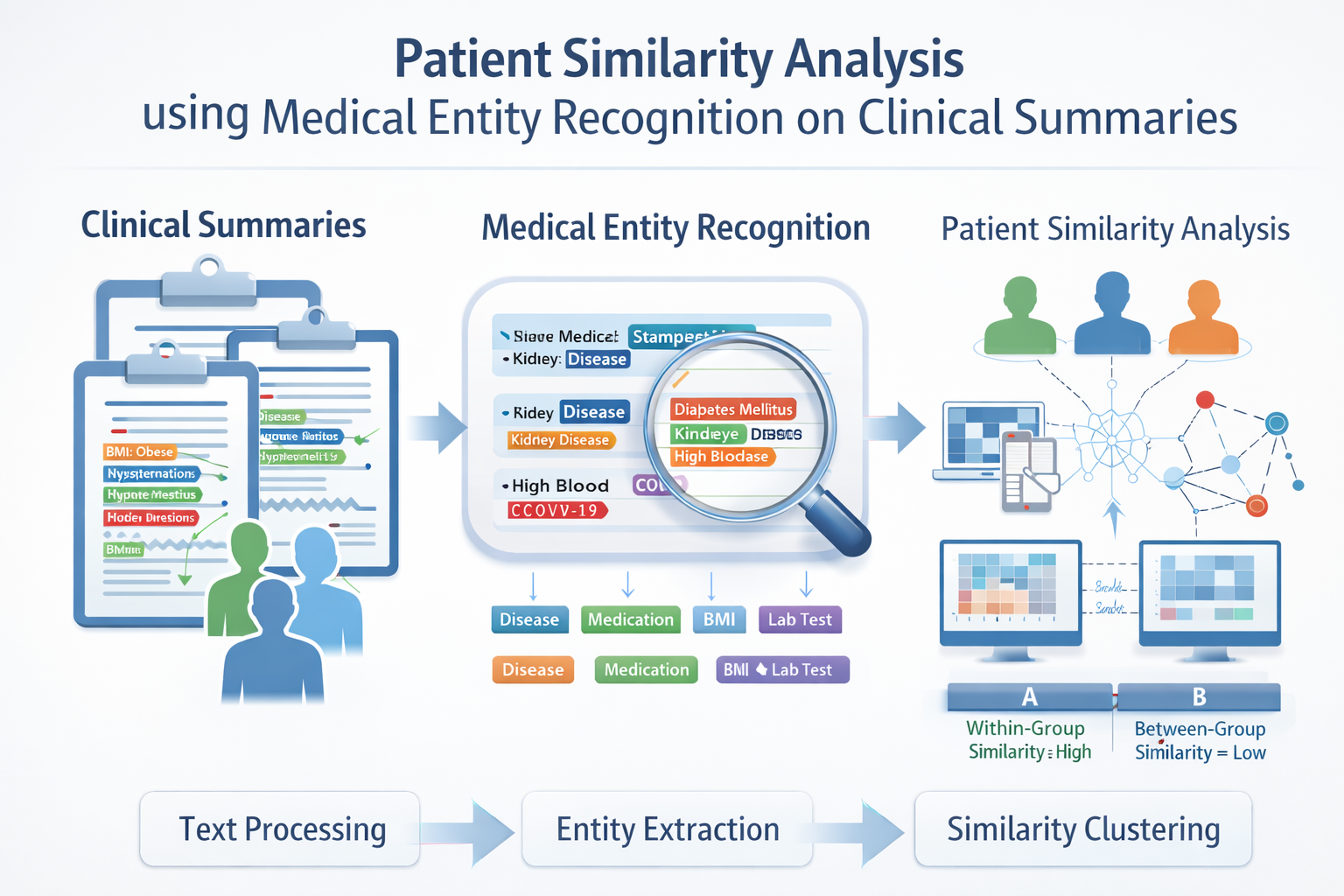
Medical Entity-Aware Embedding Framework for Semantic Retrieval of Clinical Narratives
IEEE: International Conference on Electrical, Computer and Energy Technologies, Paris France (ICECET 2025)
- DOI: 10.1109/ICECET63943.2025.11472583
- Electronic ISBN: 979-8-3315-3560-9
- Print on Demand (PoD) ISBN: 979-8-3315-3560-5
Abstract
The digitization of medical records has transformed how clinicians access and utilize patient data, yet extracting actionable insights from vast volumes of clinical summaries remains a formidable challenge. This paper presents a novel methodology for patient similarity analysis leveraging medical entity recognition on clinical summaries. Our two-phased implementation extracts critical medical terms from patient narratives and applies innovative techniques in similarity analysis to provide clinicians with actionable insights derived from historical patient outcomes. This approach addresses the pressing need for data-driven decision-support tools in healthcare, enabling more informed and personalized treatment strategies. Experimental results demonstrate the effectiveness of our methodology in identifying similar patients and equipping clinicians with valuable insights for enhanced clinical decision-making.
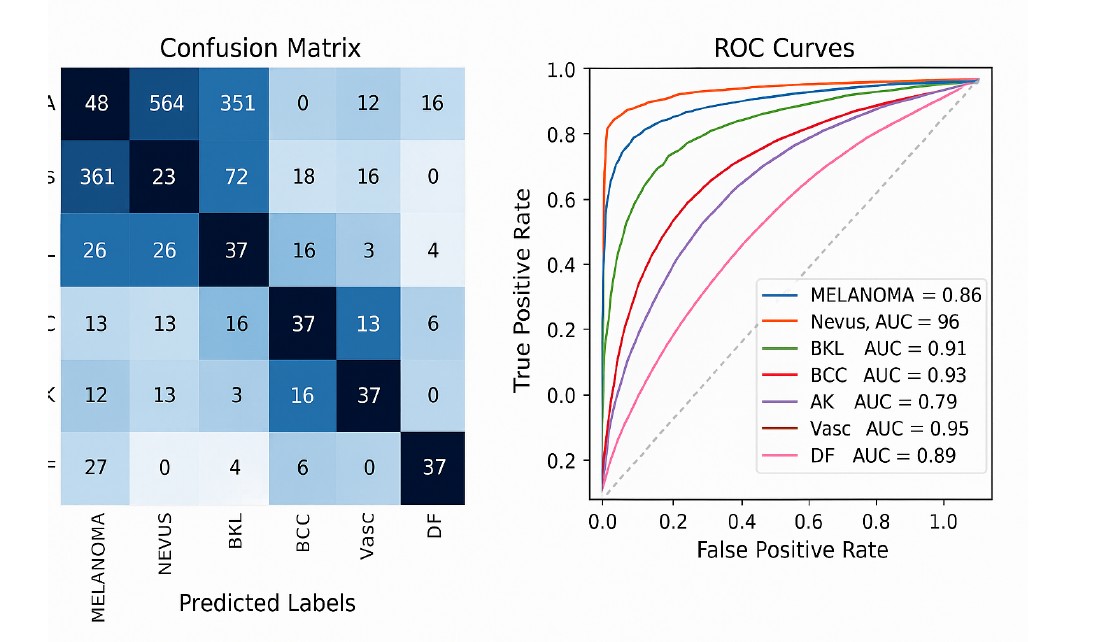
An Efficient Deep Learning Approach for Skin Disease Prediction with On-Device Mobile Integration
IEEE: 7th International Conference on Artificial Intelligence and Speech Technology (AIST 2025)
- DOI: 10.1109/AIST68591.2025.11441493
- ISBN: 979-8-3315-7776-6
Abstract
Skin diseases are among the most widespread health issues, and their early detection plays a vital role in reducing risks and improving patient outcomes. Unfortunately, many people, especially in rural and underserved areas, do not have easy access to dermatologists. To address this gap, we present a deep learning– based framework for skin disease prediction that is accurate, efficient, and deployable on mobile devices. Using the HAM10000 dataset, which contains seven classes of skin lesions, we designed a lightweight Convolutional Neural Network (CNN) that achieves strong predictive performance while remaining computationally efficient. Images were preprocessed through normalization and augmentation to improve model generalization, and the trained CNN was converted into TensorFlow Lite for integration into a Flutter-based Android application. This allows real-time, ondevice predictions without relying on constant internet connectivity. Our system achieved an overall accuracy of about 83%, with recall and F1-scores highlighting reliable performance across multiple lesion categories. Unlike many existing studies that focus only on model accuracy in controlled environments, our approach emphasizes practicality and accessibility by delivering a full pipeline from data preparation to mobile deployment. This makes the system a promising step toward affordable and accessible dermatological screening tools for communities with limited healthcare resources.
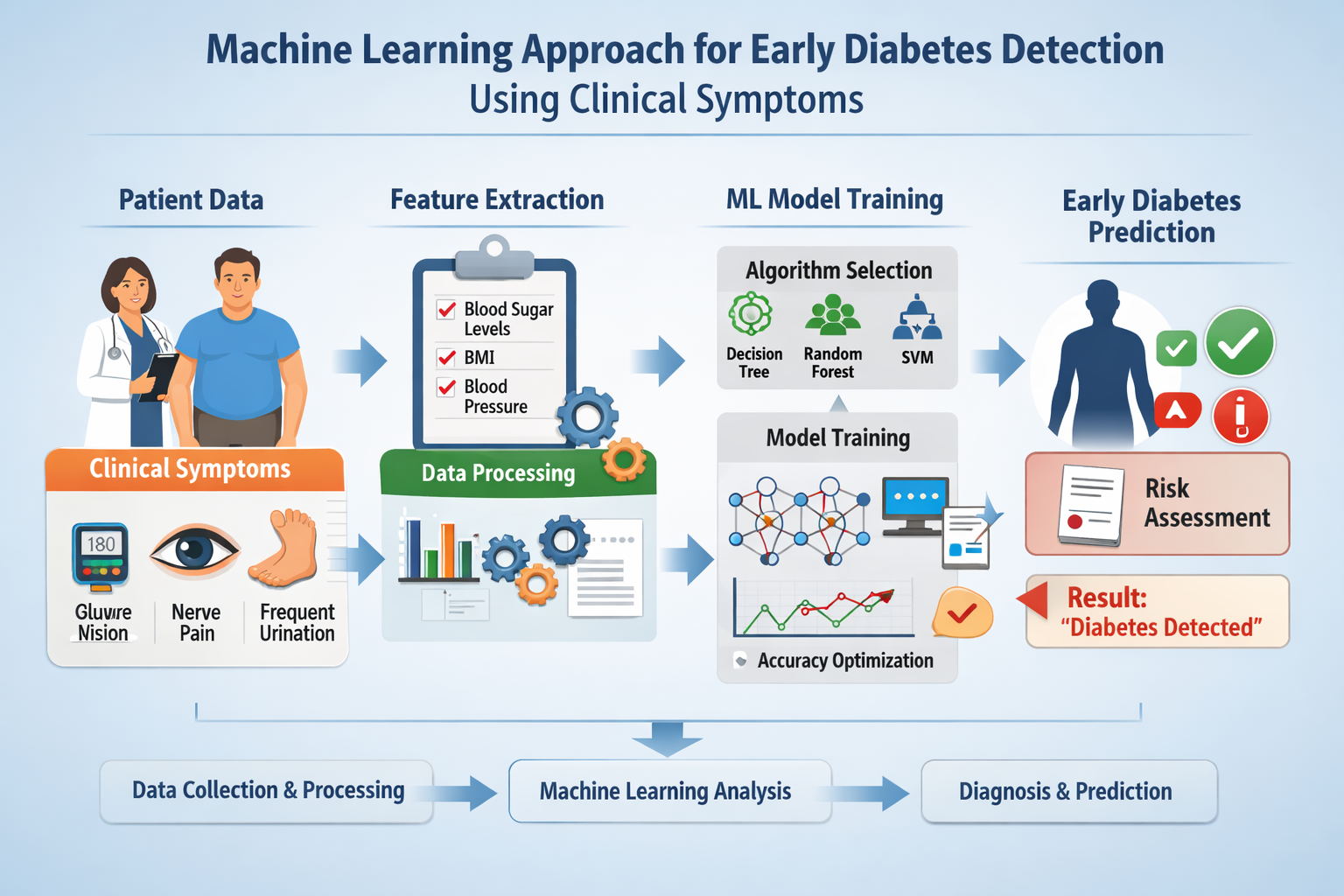
Machine Learning Approach for Early Diabetes Detection Using Clinical Symptoms
IEEE: 7th International Conference on Artificial Intelligence and Speech Technology (ICCCA 2025)
- DOI: 10.1109/ICCCA66364.2025.11325183
- Electronic ISBN: 979-8-3315-6980-8
Abstract
Diabetes is a chronic metabolic disorder that is a significant problem for the world’s health, especially because of the late stage detection and long-term complications of diabetes. This paper is about a machine learning based approach to the early prediction of diabetes using a dataset focused on the symptoms. Five supervised learning models namely Logistic Re- gression, Decision Tree, Random Forest, Support Vector Machine and K Nearest Neighbors are implemented and compared based on standard performance metrics. To address the predictive robustness, we propose a lightweight ensemble framework that aggregates the outputs of models using soft voting and adds confidence score calibration to promote the decision reliability. The proposed method is tested on Bangladesh Diabetes Dataset with an ensemble accuracy of 96.2 percent, which outperforms individual models in terms of balance between precision and recall. To show real world applicability, the trained model is embedded in a user friendly web interface with the web development framework Flask, which allows for accessible and interactive screening. The results suggest that the ensemble approach is a practical and effective solution for early risk assessment of diabetes, but especially in low resource clinical environments.
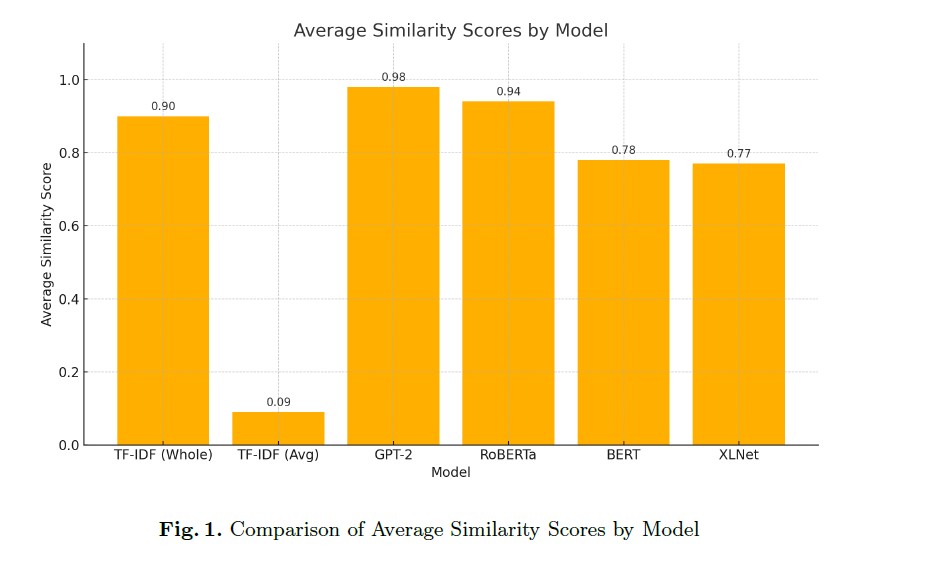
LLM in Law: Comparison of AI Models and Modalities for Law Analysis
Springer: International Conference on Applied Artificial Intelligence and Innovation (AAIIC 2025)
Abstract
This study conducts a comparative assessment of advanced language models in their ability to process statutory and regulatory texts drawn from multiple U.S. jurisdictions. A curated corpus, compiled through targeted web extraction, was subjected to preprocessing steps including normalization, tokenization, and legal-specific feature engineering to prepare it for analysis.
Author-Oriented Semantic Plagiarism Detection Using Transformer Architectures
IEEE: International Conference on Advanced Computing Technologies (ICACT 2025)
- DOI: 10.1109/ICACT67549.2025.11351398
- Electronic ISBN: 979-8-3315-9003-1
Abstract
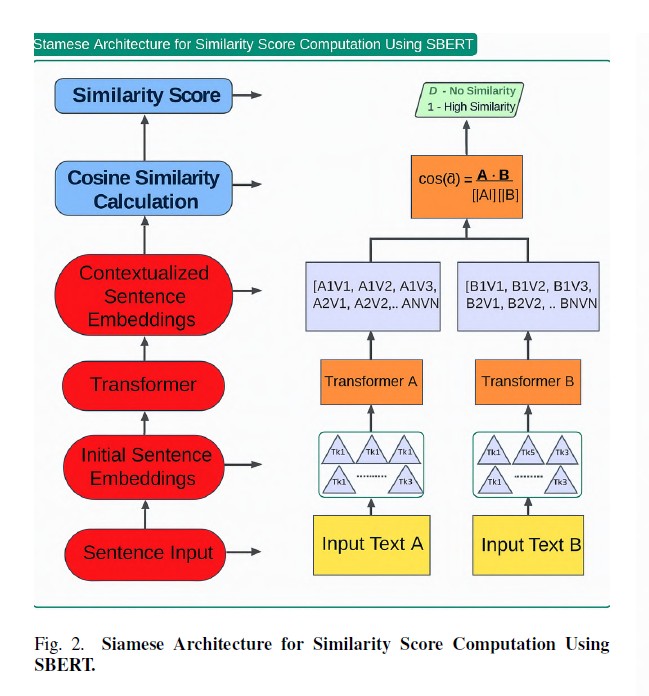
Plagiarism detection has become increasingly challenging due to sophisticated techniques such as paraphrasing and synonym substitution, which often circumvent traditional lexical matching methods. This paper presents a semantic approach that integrates Sentence-BERT (SBERT) with Transformer-based architectures to capture deeper contextual similarities between textual inputs. The proposed framework leverages sentence-level embeddings and attention mechanisms to identify reworded or semantically altered content while maintaining computational efficiency. The model is evaluated against a baseline Convolutional Neural Network (CNN) using the Microsoft Research Paraphrase Corpus (MSRP). Experimental results demonstrate that the SBERT + Transformer combination outperforms CNNs across key metrics, including accuracy, precision, and AUROC. While this study primarily focuses on semantic plagiarism detection, it also outlines the potential for integrating authorship-aware analysis in future iterations. These findings underscore the effectiveness of semantic models in addressing complex textual similarity challenges, offering a robust, context-sensitive solution for academic and professional integrity verification.
Transformer-Based Authorship Attribution: Fine-Tuning BERT and S-BERT for High-Accuracy Stylometric Analysis
IEEE: International Conference on Advanced Computing Technologies (ICACT 2025)
- DOI: 10.1109/ICACT67549.2025.11351392
- Electronic ISBN: 979-8-3315-9003-1
Abstract
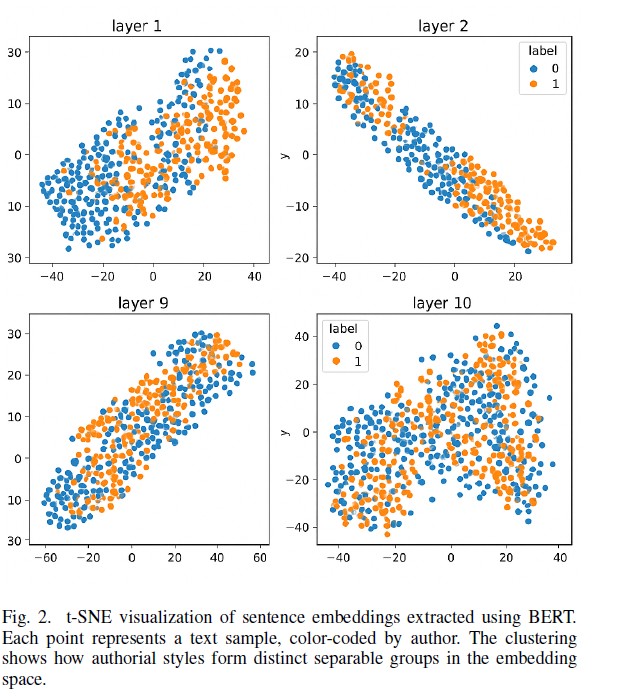
Authorship attribution the task of determining the author of a text has witnessed significant advancements with the emergence of transformer-based models in Natural Language Processing (NLP). This study investigates the use of Bidirectional Encoder Representations from Transformers (BERT) and its sentence-level extension, Sentence-BERT (S-BERT), for highprecision authorship identification. By leveraging contextual embeddings in conjunction with clustering and classification strategies, a robust framework is developed to detect subtle stylistic patterns indicative of authorial identity. The system is trained and evaluated on a diverse corpus drawn from the Gutenberg dataset and enriched with contemporary texts collected from platforms such as Twitter and Stack Overflow. The proposed methodology achieves a peak classification accuracy of 90% and an F1 score of 0.84, substantially outperforming traditional machine learning techniques. Additionally, t-SNE visualization and K-means clustering are utilized to analyze and enhance the interpretability of the embedding space. These findings highlight the efficacy of transformer-based sentence embeddings in capturing complex linguistic cues for authorship attribution tasks.
Smart Healthcare Monitoring Through Federated IoT Networks and Privacy-Preserving DeepLearning
IEEE: International Conference on Advanced Computing Technologies (ICACT 2025)
- DOI: 10.1109/ICACT67549.2025.11349724
- Electronic ISBN: 979-8-3315-9003-1
Abstract
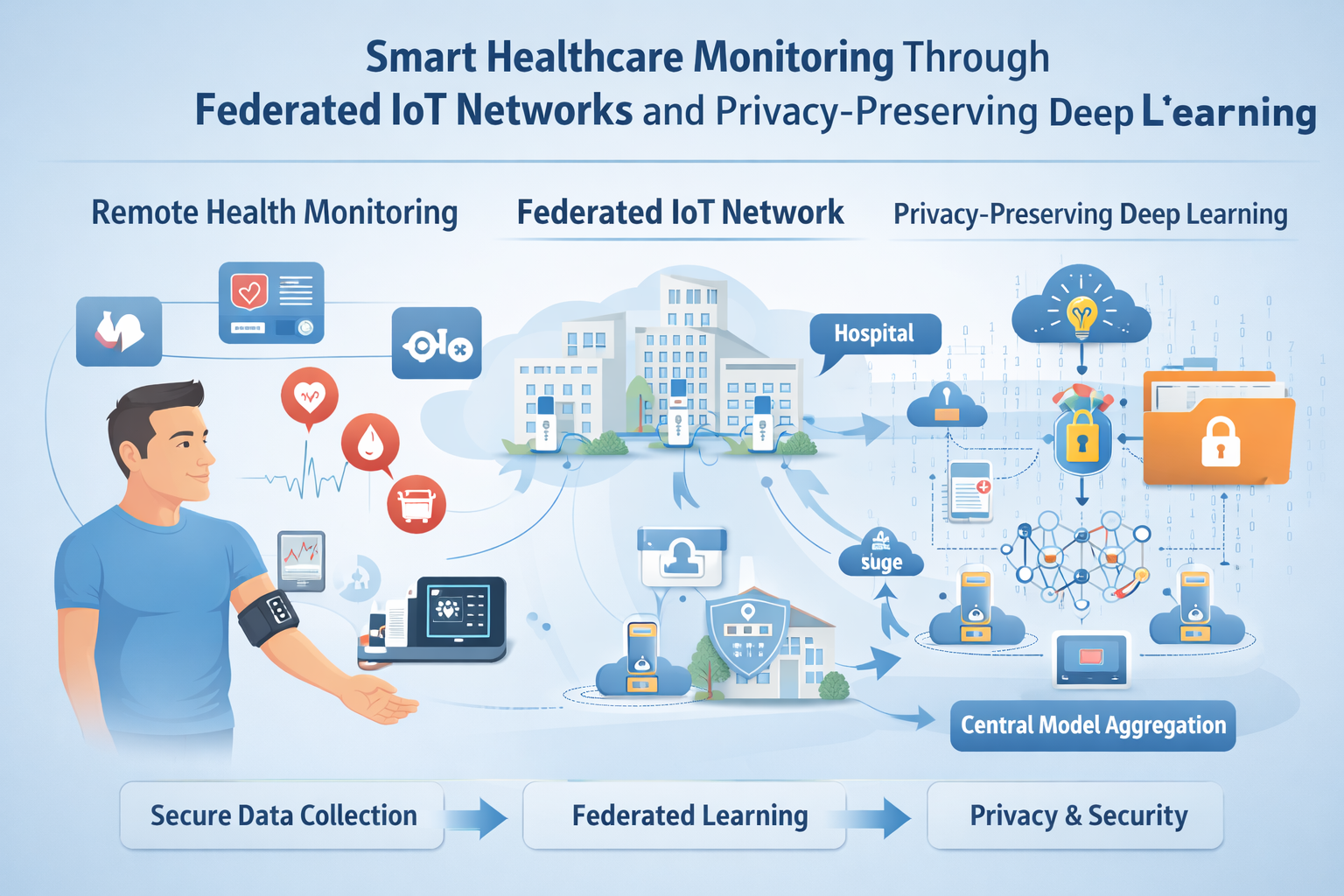
This work describes a full federated learning-based smart healthcare monitoring conceptusing advanced deep learning, privacy-preserving methods, and distributed IoT data collecting.It addresses the demand for real-time, large-scale, secure health data processing employingwearable and ambient sensors. It uses a clear process that starts with strong data preparationand then extracts important features using convolutional and recurrent neural networks. Localembeddings are encrypted and transferred to a central server. The central server builds modelsusing adaptive gradient descent, safe multiparty computation, and encryption. To be moreversatile across data types and safeguard privacy through noise addition and gradient clipping,the method involves custom model improvements for each customer. We compared thesuggested solution with centralized deep learning, ordinary federated learning, edge AI withoutencryption, and blockchain-enhanced learning. It had improved F1-score, precision, memory,specificity, and AUCROC. System-level tests indicated lower communication overhead, fasterconvergence, and higher energy efficiency. Privacy scores remained steady. These resultsindicate that the suggested framework can balance generalization, personalization, accuracy,efficiency, and real-time performance while maintaining strict privacy. This study prepares next-generation healthcare systems for privacy-sensitive and resource-constrained contexts usingfederated learning, edge AI, and secure computation. It also proposes expanding clinical andremote health tracking deployments.
Books / Book Chapters

Book Chapter #3 : Technological innovations in Cybersecurity in book titled "Cybersecurity Leadership and Strategy for Resilience Innovation and Sustainable Protection"
Cambridge Scholar Publications
ISBN: 1-0364-7469-0
Abstract
In the fast-changing digital world, cybersecurity advancements are crucial to combat the growing complexity of cyber risks. This chapter investigates several developing technologies in the field of mod- ern cybersecurity, such as Artificial Intelligence (AI) and Machine Learning (ML), blockchain for secure identity management, and Zero Trust Architecture. AI/ML methodologies are transforming threat detection and response by predicting and unearthing potential security risks and doing so more quickly and accurately than traditional methods. Block-Chains can be used as a decentralised technology to improve the data integrity and privacy in Identity Management systems, and Zero-Trust framework challenges the assumptions of traditional networking for access control and security policy. The chapter also concludes with a coverage on the future of digital systems taking in to account emerging technologies such as quantum computing and privacy preserving mechanisms as important components to secure life of future digital systems. The chapter highlights the importance of innovating on an ongoing basis in the cybersecurity space and the roles of practitioners, researchers, and policymakers in this landscape, and discusses the critical need for international cooperation to tackle the security challenges of digital ecosystems. Continuing progress in the field of cyber security is essential to secure critical infrastructure and support the resilience of emerging technology.

Book Chapter : Wireless and Flexible Thermometric Sensors: A Pathway to Smart Healthcare Monitoring
WILEY
Abstract
Wearables and wireless sensor technology are transforming the healthcare sector by providing a non-invasive and continuous physiological monitoring. These systems combine pliable materials, IoT models, and smart sensing in the support of real-time diagnostics, as well as personalised medicine. The paper deals with the issue of high sensitivity, biocompatibility and multimodal sensing in wearable health monitoring systems. It provides a comparative study of flexible temperature, pressure and humidity sensors in 24 % studies, such as how they operate in response time, accuracy, and integration. As an example, a temperature resolution of 0.1 °C, whereas the pressure sensitivity is down to 0.005 o °kPa. Applications are in home-based care systems and pandemic response systems, along with chronic disease management, motion detection and telemedicine use cases. The comparative figures indicate that triboelectric nanogenerators can improve the power efficiency by 35% when compared to battery-based systems. What is more, cooperative sensor networks are associated with a better data reliability by 28% in ambient monitoring conditions. The paper provides a conclusion that multimodal intelligent sensing frameworks are scalable, secure and adaptable solutions to next-generation healthcare platforms.
Patents

Computing Device for Zero-Trust Network Segmentation
UK Intellectual Property Office
Design number: 6488315
International Design Classification: Version: 15-2025 Class: 14 RECORDING, TELECOMMUNICATION OR DATA PROCESSING EQUIPMENT Subclass: 02 DATA PROCESSING EQUIPMENT AS WELL AS PERIPHERAL APPARATUS AND DEVICES
Abstract
A computing device, system, and method are disclosed for implementing zero-trust network segmentation within enterprise, cloud, and hybrid computing environments. The computing device is configured to continuously authenticate and authorize users, devices, and applications based on identity, context, and behavioral attributes prior to permitting access to network resources. The system enforces dynamic micro-segmentation by logically isolating network segments at granular levels, thereby preventing unauthorized lateral movement across the network. Real-time traffic monitoring and policy-based access controls are applied to evaluate trust on a per-session basis, without reliance on predefined network boundaries. The computing device further supports automated policy updates driven by security events, risk assessments, and threat intelligence inputs. The disclosed approach improves network resilience, reduces attack surfaces, and provides scalable and adaptive zero-trust segmentation for modern distributed computing infrastructures.

SYSTEM AND METHOD FOR HEALTHCARE DIAGNOSTICS USING FOUNDATION MODELS WITH UNCERTAINTY TRIAGE
United States Patent and Trademark OfficeApplication number: 19/380,801
United States Patent #: US20260066126 A1
Abstract
This invention presents a system and method for healthcare diagnostics using foundation models integrated with uncertainty triage. The proposed approach leverages large-scale pretrained models to analyze heterogeneous clinical data, including medical records, imaging, and physiological signals, to support accurate and early diagnosis. An uncertainty estimation mechanism is embedded within the diagnostic pipeline to identify low-confidence predictions and route them for expert review, ensuring patient safety and clinical reliability. By combining automated intelligence with human-in-the-loop decision support, the system enhances diagnostic accuracy, reduces clinician workload, and enables scalable, trustworthy deployment of artificial intelligence in real-world healthcare environments.
Profiles